Fashion outlook for 2026
Fashion in 2026 does not tiptoe in. It arrives loud in its intent and clear in its purpose. After years of trend overload, aesthetic fatigue and look-at-me dressing driven by social media cycles, the industry is pulling itself back into focus. This is not about abandoning fashion or returning to safe minimalism. It is about control. Who we dress for. Why we dress. And what our clothes are expected to carry on our behalf.
The dominant theme emerging from global fashion outlook research is intention. Dressing is no longer about chasing a look or fitting neatly into a predefined style box. Clothes are being used to manage emotional space, signal identity and navigate the blurred edges between public and private life. People are dressing with a sharper sense of self, and far less interest in external approval.
2026 fashion trends: romance meets the futuristic
This recalibration is most visible in the way fashion “cores” are evolving. In 2026, they are no longer novelty internet aesthetics or costume-like identities. They are emotional translations. Romantic and poetic influences continue to gain momentum, expressed through fluid silhouettes, lace, sheer layering and nostalgic detailing. Running alongside this softness is a growing appetite for futuristic and surreal elements, including metallic finishes, unusual textures and digitally inspired colour palettes. The contrast is intentional. It reflects a cultural appetite for holding softness and strength in the same outfit.
Also Read: Self care and summer hair: Colour Rush has you covered
Colour stories reinforce this direction. Nature-inspired tones dominate, with aquatic blues, moss greens, washed neutrals and sun-faded pastels grounding collections. Dressing becomes less uniform and more assembled. Textures are mixed. References are layered. Outfits feel built rather than styled. Individuality is no longer a slogan. It is visible in the way people combine pieces.
Makeup gets softer
Makeup follows the same logic. Heavy contouring and rigid beauty rules continue to lose relevance. In their place is a more expressive, mood-led approach. Colour returns through blurred berry lips, watercolour eyes and restrained metallic accents. The application is softer and more personal. Skin remains central, but not in a perfectionist sense. Luminous finishes, visible freckles and natural flushes point to a growing rejection of artificial flawlessness.
Relaxed authority at the office
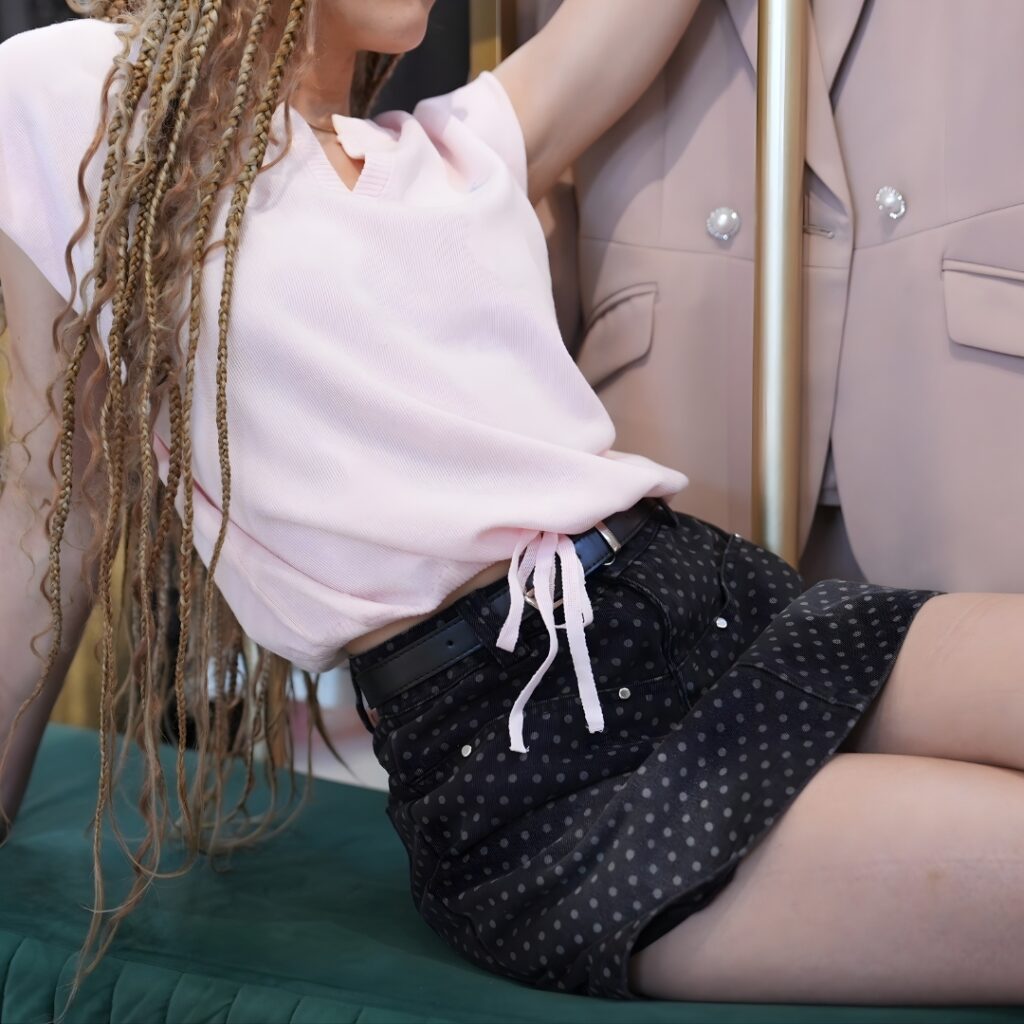
Office wear reflects a changed relationship with work itself. By 2026, corporate dressing has fully loosened. The prevailing tone is relaxed authority. Clothing is expected to communicate competence without stiffness or discomfort. Work wardrobes are increasingly modular, designed to move from desk to dinner without a full change. Tailoring softens through oversized blazers, wide-leg trousers, knit suiting and layered separates. Structure remains, but formality is no longer the priority.
Interesting Read: Fresh Hacks to Keep Your Car Looking and Smelling New
Date nights and the lingerie crossover
Date-night dressing also tells a different story. Sensuality has not disappeared, but it has been reframed. Sheer fabrics, lace, draping, open backs and subtle cut-outs dominate, styled to feel natural rather than engineered. Outfits are chosen for how they feel on the body, not how they perform for an external gaze.
One of the clearest markers of 2026 fashion is the continued breakdown between underwear, loungewear and everyday dressing. Lingerie-inspired pieces move confidently into daily wardrobes. Corsetry appears under blazers. Slip dresses work across day and night. Bralettes function as tops. Comfort is non-negotiable, but design remains intentional. Clothing sits closer to the body, both physically and emotionally.